
The Most Controversial Horror Films of All Time
What makes a horror film truly controversial? Some movies are so shocking that they prompted murder investigations, caused audiences to faint, or were banned in multiple countries for decades. These aren’t just stories on screen—they are films that pushed boundaries, sparked moral panics, and left permanent marks on cinema history.
From blood-soaked thrillers to morally challenging art-house horror, these movies forced viewers to confront the darker side of storytelling. Here’s a countdown of the most controversial horror films ever made, and why some of them remain infamous to this day.
9. Night of the Living Dead (1968)
George A. Romero’s Night of the Living Dead is more than just a zombie film—it’s the movie that defined an entire genre. Before its release, zombies were largely tied to voodoo legends and exotic horror stories. Romero introduced audiences to reanimated corpses with an insatiable hunger for human flesh, a concept that terrified viewers in 1968 and became the blueprint for modern zombie cinema.
The controversy went beyond the novelty of the undead. One scene in particular—where a little girl, Karen, turns into a zombie and kills her own mother—was unprecedented. Audiences were horrified. Critics like Variety called it an “unrelieved orgy of sadism,” highlighting just how far the film pushed boundaries for the time.
Social context added another layer. Casting Duane Jones, a Black actor, as the hero was a bold move in the racially tense United States of the late 1960s. The film’s ending, where Ben survives only to be killed by a posse of white men, unintentionally mirrored the nation’s racial struggles, elevating the horror from the screen to real-world commentary.
Romero’s approach—blending social commentary with relentless terror—made Night of the Living Dead a landmark not just in horror, but in American cinema itself. It challenged viewers to confront both their fear and the uncomfortable truths of society.
8. The Texas Chain Saw Massacre (1974)
Tobe Hooper’s The Texas Chain Saw Massacre is a study in tension, suggestion, and psychological terror. The story follows a group of friends who run out of gas in rural Texas, only to encounter a family of cannibalistic slaughterhouse workers. Among them is the infamous Leatherface, a character whose legacy has become synonymous with horror itself.
The film’s notoriety is partly due to its marketing. The tagline claimed it was “a true story,” referencing the real-life murderer Ed Gein, even though the plot was fictional. This blurring of reality and fiction made audiences believe such evil could exist just off the backroads of America, tapping into the post-Manson, post-Vietnam anxieties of the 1970s.
Despite the reputation for gore, Hooper relied heavily on suggestion and atmosphere. Chaotic editing, sound design, and a grimy, documentary-style look made the terror feel immediate. Viewers often reported being disturbed even when no explicit violence appeared on screen.
Many countries, including the UK, initially banned the film. Critics called it gratuitous and sick, yet modern retrospectives hail it as a masterpiece of tension and psychological horror. Its lasting impact demonstrates that fear often lies in what’s implied, not what’s shown.
7. The Evil Dead (1981)
Sam Raimi’s The Evil Dead is one of the most infamous films of the “video nasties” era in the UK. Five college students vacation in a remote cabin, only to unleash demonic spirits after discovering a mysterious tape. The result is a chaotic blend of gore, frenetic camera work, and supernatural terror.
Made on a tiny budget, Raimi’s creativity made every frame feel intense and visceral. Some audiences found it thrilling and darkly comedic, while others saw it as pure evil. The real controversy erupted when the film became entangled in the UK’s video nasties panic. Authorities feared such films would corrupt young viewers, leading to raids on video stores and outright bans.
One scene, known as the “tree rape” sequence, was particularly notorious. A female character is assaulted by demonic vines, causing significant uproar and censorship battles. Raimi later admitted this scene pushed the envelope too far, though horror fans still praise the movie for its inventiveness.
The Evil Dead saga highlights a period when home video could incite moral panic, proving that even a low-budget film could have a massive cultural impact. Its influence resonates through decades of horror cinema, inspiring countless filmmakers to blend inventive visuals with extreme content.
6. The Last House on the Left (1972)
Wes Craven’s debut, The Last House on the Left, remains one of the rawest depictions of violence in horror. Two teenage girls are kidnapped, brutally assaulted, and murdered by a gang of criminals. The girls’ parents then take horrifying revenge, creating a narrative that is as disturbing as it is unflinching.
Craven intentionally shot the film in a gritty, documentary style, making the violence feel uncomfortably real. The assault scenes were prolonged and deliberately hard to watch, ensuring that viewers felt the weight of the brutality. The marketing tagline—“To avoid fainting, keep repeating… it’s only a movie”—was no exaggeration.
The backlash was immediate. The film was heavily cut in the U.S. to avoid an X rating and outright banned in the UK, only gaining uncut release decades later. Its long, tortured release history demonstrates how authorities struggled with a film that refused to soften its depiction of human cruelty.
Beyond the shock value, The Last House on the Left is also a meditation on vengeance, morality, and the consequences of violence, making it a controversial yet deeply significant entry in horror history.
5. Antichrist (2009)
Lars von Trier’s Antichrist combines extreme body horror with philosophical inquiry. The film follows a grieving couple retreating to a forest cabin after the accidental death of their child. Psychological torment, violent sex, and supernatural elements escalate to a shocking climax that leaves few viewers unshaken.
Von Trier is known for courting controversy, but Antichrist stands out for its unflinching depiction of sexual violence and genital mutilation. Cannes audiences reportedly walked out, and critics debated whether the film was an artistic exploration of grief or a sadistic exercise in shock value.
The film’s chapter structure—titled “Grief,” “Pain,” and “Despair”—underscores its thematic ambitions. Despite—or perhaps because of—its extreme imagery, the movie challenges viewers to confront human suffering, misogyny, and the fragility of sanity.
Controversy followed its release worldwide. Some countries rated it as strictly adult-only, while certain religious and conservative groups condemned it outright. Antichrist demonstrates that horror can provoke both visceral fear and intellectual debate, blurring the line between art and exploitation.
4. Martyrs (2008)
Pascal Laugier’s Martyrs is one of the most unrelenting and divisive horror films of the 21st century. A young woman, Lucie, seeks revenge on her childhood tormentors, only for her friend Anna to uncover a secret society that tortures women to create “martyrs”—individuals who transcend pain and see beyond life.
The film’s second half is especially controversial, depicting systematic psychological and physical torture in a stark, clinical manner. Unlike typical horror, Martyrs offers little relief or catharsis, forcing audiences to confront extreme suffering without easy answers.
France initially gave the film an 18+ rating, which threatened its theatrical viability, though the decision was later lowered to 16+. Internationally, bans and censorship calls followed, with some praising it as philosophical horror while others dismissed it as meaningless brutality.
Martyrs remains a polarizing masterpiece. Its exploration of pain, morality, and transcendence makes it one of the most challenging experiences in modern horror, cementing its place in the genre’s controversial canon.
3. The Exorcist (1973)
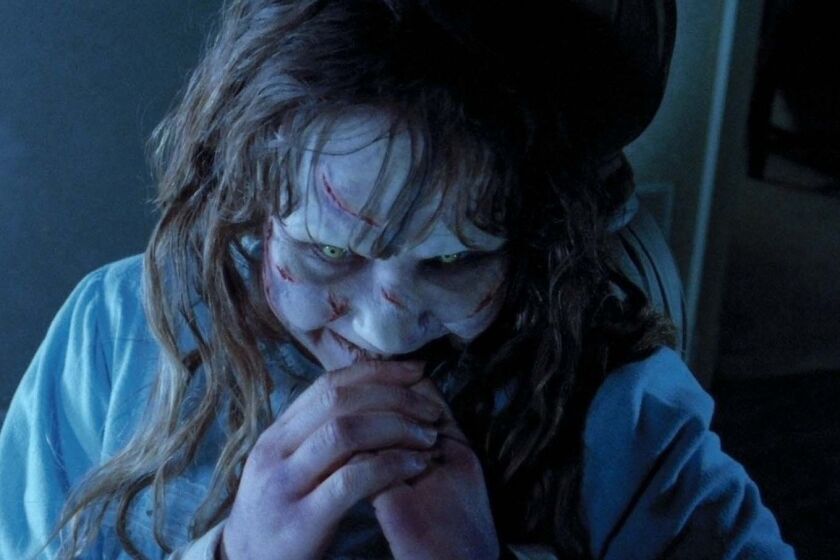
William Friedkin’s The Exorcist redefined what mainstream audiences expected from horror. The story of 12-year-old Regan, possessed by a demon, shocked viewers with scenes of self-mutilation, head-spinning, and the infamous spider-walk.
Released just after Christmas in 1973, it was anything but festive. Audiences fainted, vomited, and fled theaters, with reports of ambulances stationed outside cinemas. Religious groups protested the film, and some countries, including parts of the UK, banned it outright.
Billy Graham infamously claimed, “There is a power of evil in the film, in the fabric of the film itself.” The Exorcist proved that horror could disturb faith and societal norms, sparking debates about morality, spirituality, and the effects of cinema on the human psyche.
Even decades later, it remains widely regarded as one of the scariest films ever made, influencing countless exorcism and supernatural horror movies.
2. A Serbian Film (2010)
Srđan Spasojević’s A Serbian Film is infamous for its extreme depictions of taboo subjects, including sexualized violence against children. Intended as an allegory for post-war trauma in Serbia, the film drew immediate outrage and legal scrutiny.
Banned in over 46 countries, the movie faced severe censorship worldwide. In the UK, nearly five minutes of cuts were required for an 18+ certificate, removing scenes deemed “unacceptable at any classification.” Despite the director’s claims that it was a political metaphor, most audiences found the content intolerable.
A Serbian Film stands as a modern example of how horror can provoke moral outrage, blur ethical boundaries, and test the limits of audience tolerance, ensuring its legacy as one of the most controversial films ever made.
1. Cannibal Holocaust (1980)
Ruggero Deodato’s Cannibal Holocaust is the ultimate controversial horror film. Presented as recovered footage from a lost Amazon expedition, it follows a crew documenting indigenous tribes, only for the second half to reveal the horrific fates of the filmmakers themselves.
The film’s realism shocked audiences. Scenes of sexual assault, castration, and graphic violence led Italian authorities to believe it was a genuine snuff film. Deodato was investigated for murder, requiring him to prove in court that the actors were alive and the scenes staged.
Beyond the fake human violence, the film included real animal killings—seven animals, including a monkey and a large turtle, were killed on camera—sparking international outrage and ethical debates that continue today.
Banned in Italy, the UK, and multiple other countries, Cannibal Holocaust influenced the found-footage genre and extreme horror while remaining morally divisive. Its legacy illustrates how horror can blur fiction and reality to terrifying effect.
Why These Films Still Matter
From moral panics to murder investigations, these movies prove that horror can do far more than simply entertain. They challenge societal norms, push the boundaries of artistic expression, and force audiences to confront the darker aspects of human nature. Whether through shocking imagery, controversial themes, or uncanny realism, each of these films left a lasting impact on cinema and culture.
These works of horror endure not only because they scare us, but because they provoke thought, debate, and reflection on morality, ethics, and the limits of storytelling. They remind us that cinema has the power to disturb, to challenge, and to leave an indelible mark—long after the credits roll.
In studying these films, we gain insight into the fears, obsessions, and cultural tensions of their times, as well as the evolving ways filmmakers dare to test audiences. Ultimately, they are more than just movies—they are cultural milestones, controversial touchstones, and enduring examples of how horror can illuminate the human condition.