
28 Years Later: The Bone Temple (2026)
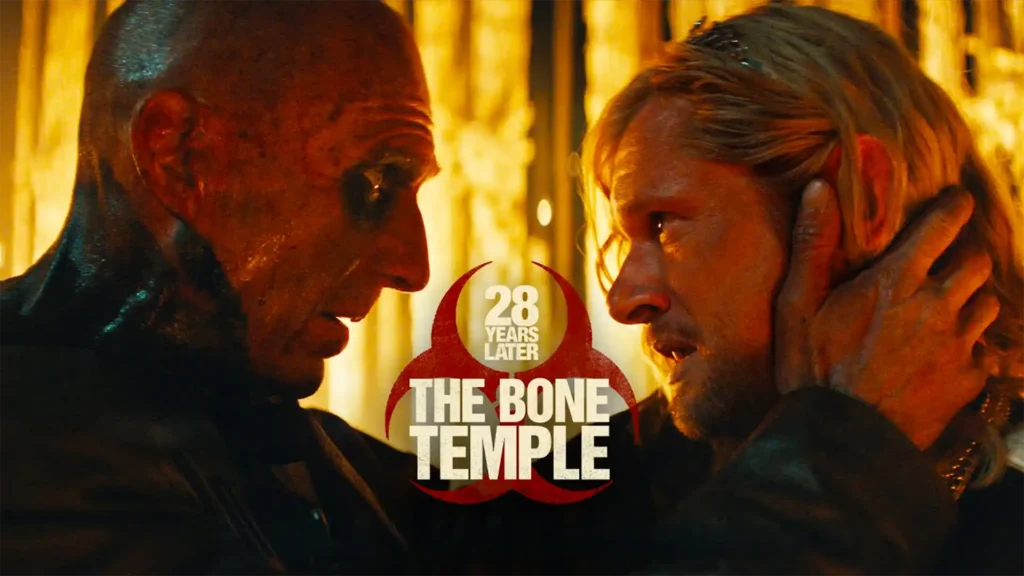
Director: Nia DaCosta
Writer: Alex Garland
Stars: Ralph Fiennes, Jack O’Connell, Alfie Williams, Erin Kellyman, Chi Lewis-Parry
Runtime: 109 minutes
Genre: Horror / Post-Apocalyptic
Rating: R
Budget: ~$63M
Box Office (Early): Strong opening weekend
A Franchise Evolving
Nearly thirty years after the original 28 Days Later changed the landscape of modern horror, the franchise has continued to evolve, and 28 Years Later: The Bone Temple marks one of the boldest entries yet. The film takes familiar elements—post-apocalyptic devastation, the Rage Virus, and the tension between survival and humanity—and pushes them into new, sometimes unsettling territory. This is not a standard zombie sequel. Instead, it blends visceral horror with psychological tension, ritualistic imagery, and a darker, almost mythic exploration of human behavior in the face of catastrophe.
Plot Overview
Picking up directly after the events of 28 Years Later, the story follows young survivor Spike, whose journey into the wreckage of a fractured society introduces him to a dangerous cult led by the charismatic and terrifying Jimmy Crystal. While the infected still pose a deadly threat, the film makes it clear that the real danger comes from the humans who have survived.
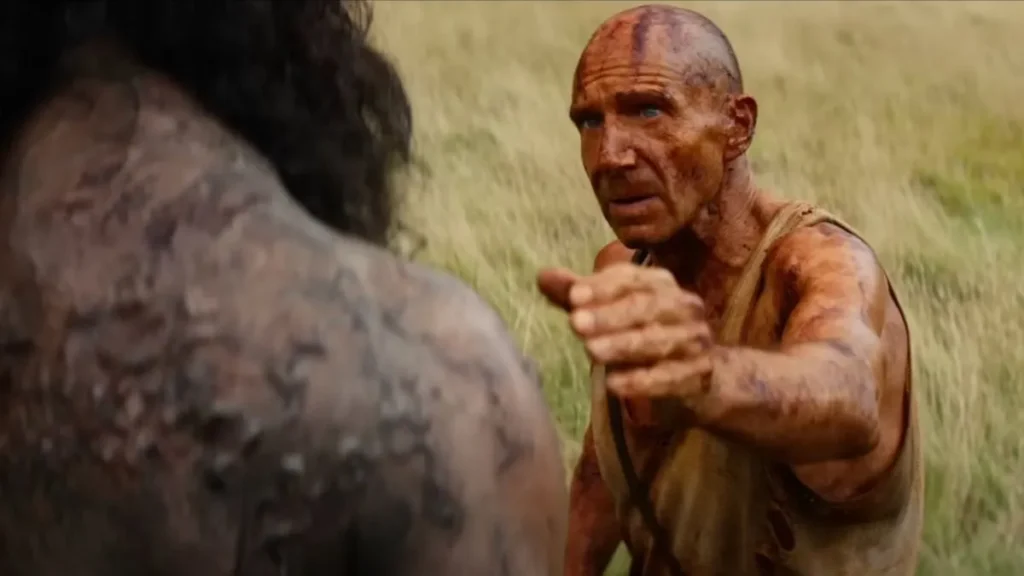
Parallel to Spike’s odyssey is Dr. Ian Kelson, a former physician who has isolated himself in a decaying structure known as the Bone Temple. Kelson is obsessed with understanding both the infected and the human psyche, providing a lens through which the audience can explore the moral and philosophical questions of a world undone by a virus. The narrative weaves together Spike’s coming-of-age survival story, Kelson’s obsessive inquiry, and the cult’s twisted ideology, culminating in a high-stakes confrontation that is both shocking and emotionally resonant.
Performances
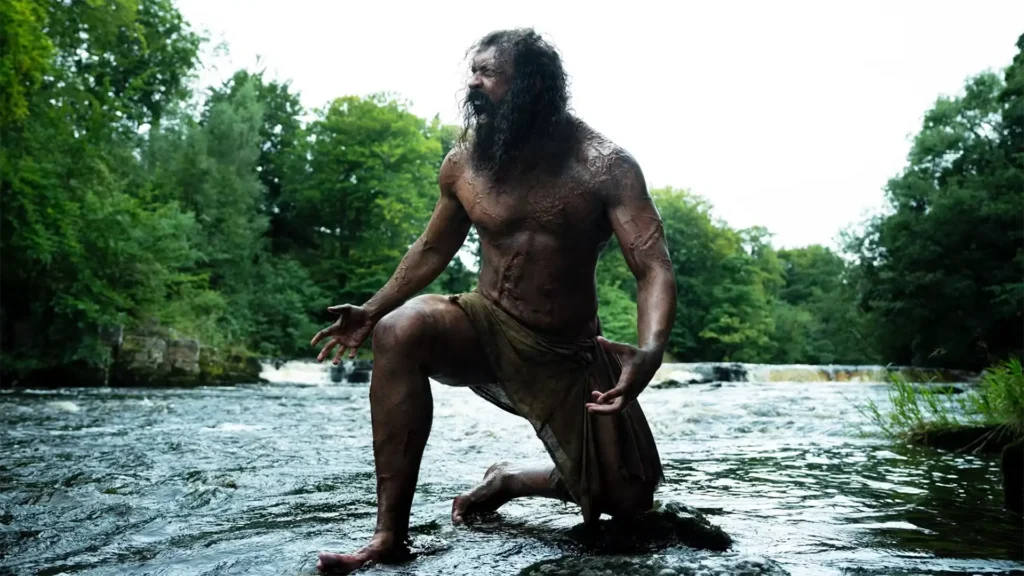
Ralph Fiennes delivers a complex performance as Dr. Kelson, balancing intellectual curiosity with emotional vulnerability. He brings gravitas to the film, making Kelson both sympathetic and fascinating to watch. Jack O’Connell as Jimmy Crystal is unpredictable and magnetic, creating a villain who is equal parts theatrical and menacing. The younger cast, including Alfie Williams and Erin Kellyman, add depth and energy, making the human stakes of the story feel real and urgent. Their performances ensure that the film’s horror isn’t just about jump scares—it’s about the consequences of trauma and survival.
Direction and Cinematic Craft
Nia DaCosta takes the franchise in an unexpected direction, favoring surreal visuals and layered atmospheres over traditional horror pacing. The film’s cinematography captures a world that feels both familiar and dreamlike, with bleak landscapes punctuated by moments of striking, almost ritualistic imagery. The score complements this atmosphere, using subtle, haunting sounds rather than conventional tension-building cues. Overall, the technical execution reinforces the film’s central themes and keeps audiences immersed from start to finish.
Themes and Tonal Complexity
What sets Bone Temple apart from other entries in the franchise is its willingness to explore deeper questions about humanity. At its core, the film examines what people do when society falls apart and the structures they cling to for meaning. It looks at how rituals, belief systems, and the desire for control can shape behavior in a post-apocalyptic world. At the same time, it examines the tension between innocence and corruption, highlighting how trauma can become both a personal and societal mythology.
The film’s tone shifts between intense horror, philosophical reflection, and surreal spectacle, which may feel disorienting at times but ultimately reinforces the sense of unease and unpredictability. This is not just a story about surviving a virus; it’s about surviving the human condition itself in extreme circumstances.
Reception
Early responses suggest the film is resonating with both critics and audiences. Many viewers appreciate its ambition and the way it expands the franchise beyond conventional horror tropes. At the same time, some longtime fans may find the departure from traditional pacing and structure challenging. However, the combination of strong performances, imaginative direction, and thought-provoking themes has made the film stand out as one of the most intriguing horror releases of the year.
Box Office Performance
Released in mid-January, Bone Temple had a strong opening, outperforming initial projections for a horror sequel. Its combination of franchise recognition and critical buzz drew a broad audience, suggesting that the film’s mix of horror, psychological tension, and philosophical undertones is connecting with viewers. Early box office results indicate that it could become one of the franchise’s most commercially successful entries.
Strengths and Weaknesses
The film shines in several areas. Its performances are top-notch, particularly the leads, and the visual and auditory style is immersive and distinctive. The themes are richer than typical zombie fare, inviting reflection on human behavior and belief systems. The direction takes risks that keep the story unpredictable, creating a tense and memorable experience.
However, the ambition comes with challenges. The tonal shifts can be jarring, and the narrative occasionally sacrifices clarity for stylistic experimentation. For audiences expecting a straightforward horror story, certain sequences may feel confusing or overly abstract. Despite these issues, the film’s risks largely pay off, making it a standout entry in the franchise.
Conclusion
28 Years Later: The Bone Temple is a daring and ambitious continuation of a storied franchise. It combines intense horror with philosophical exploration, memorable performances, and striking visuals. While it may not satisfy every purist, it elevates the series into new territory and demonstrates that post-apocalyptic horror can be both thrilling and thought-provoking.
For anyone interested in horror that challenges as much as it entertains, this film is a must-watch. It’s terrifying, unsettling, and at times deeply moving—a fitting evolution for a series that has never been content with the ordinary.